
Stella's Choice Between Sister and Husband
A Streetcar Named DesireStella Kowalski is torn between loyalty to her sister Blanche and her passionate commitment to her husband Stanley, ultimately choosing the latter.
increasing Bearing strength in each event
 decreasing
Bearing strength in each eventdecreasingStella's Joyful Reunion with Blanche
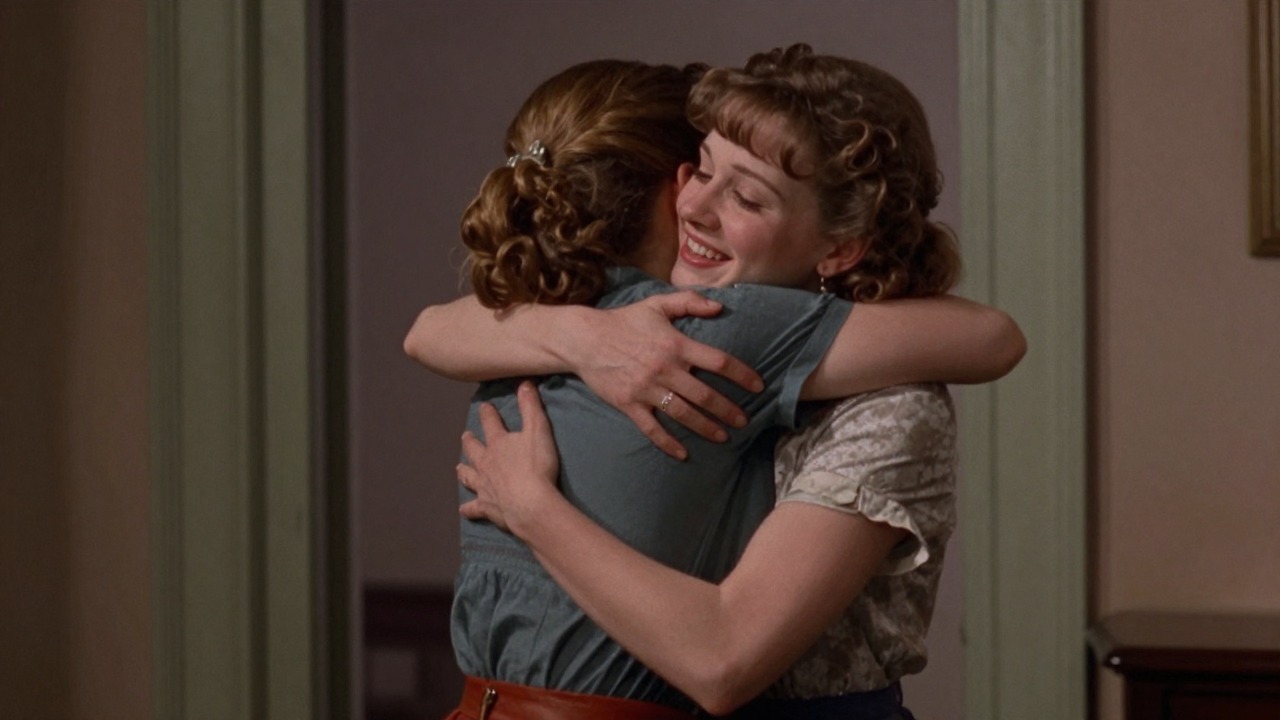
A Sister's Welcome
An Emotional Embrace
When Stella returns from the bowling alley to find Blanche waiting, she is genuinely happy to see her sister. They embrace warmly, and Stella tries to reassure Blanche about the modest apartment. Yet even in this first moment, there is a hint of tension: Stella is defensive about her life with Stanley, and Blanche's condescending remarks about the neighborhood sting. Stella's loyalty is already being tested, though she does not yet know it.
Early Signs of Strain
Blanche's constant criticism of the apartment and her veiled insults about Stanley put Stella in an awkward position. She tries to smooth things over, but her own contentment with her husband and her pregnancy create a divide. Stella's love for Stanley is physical and deep, something Blanche cannot comprehend. This early scene establishes the central conflict of Stella's arc: she must choose between the world of her sister and the world of her husband.
Stella Defends Stanley After the Poker Night
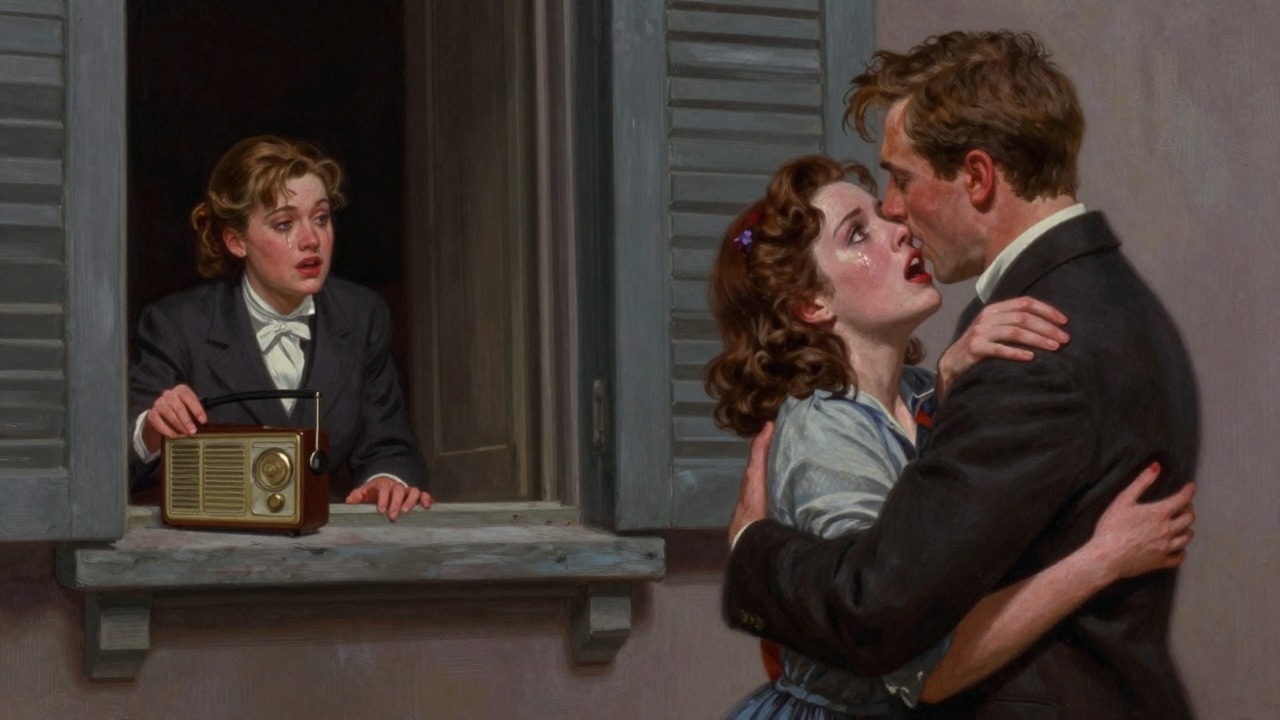
A Sordid Reconciliation
Blanche's Outrage
After Stanley strikes Stella and throws the radio out the window, Stella flees upstairs to Eunice's apartment. But when Stanley bellows her name from the street, she comes down, her eyes glistening with tears, and they embrace with animal passion. Blanche, watching from the landing, is horrified. The next morning, she confronts Stella, accusing her of being in a relationship with a madman. Stella insists that she loves Stanley and that his violence is a temporary aberration.
Stella's Philosophy
Stella tries to explain that there are things between a man and a woman that make everything else seem unimportant. She reveals that on their wedding night, Stanley smashed all the light bulbs with her slipper, and she was "sort of thrilled by it." This admission shocks Blanche, but it reveals the nature of Stella's attachment: a sensual, almost masochistic bond. Stella is not a victim; she is a willing participant in a relationship built on raw desire. This moment marks the first major rift between the sisters.
Stella Learns the Truth About Blanche
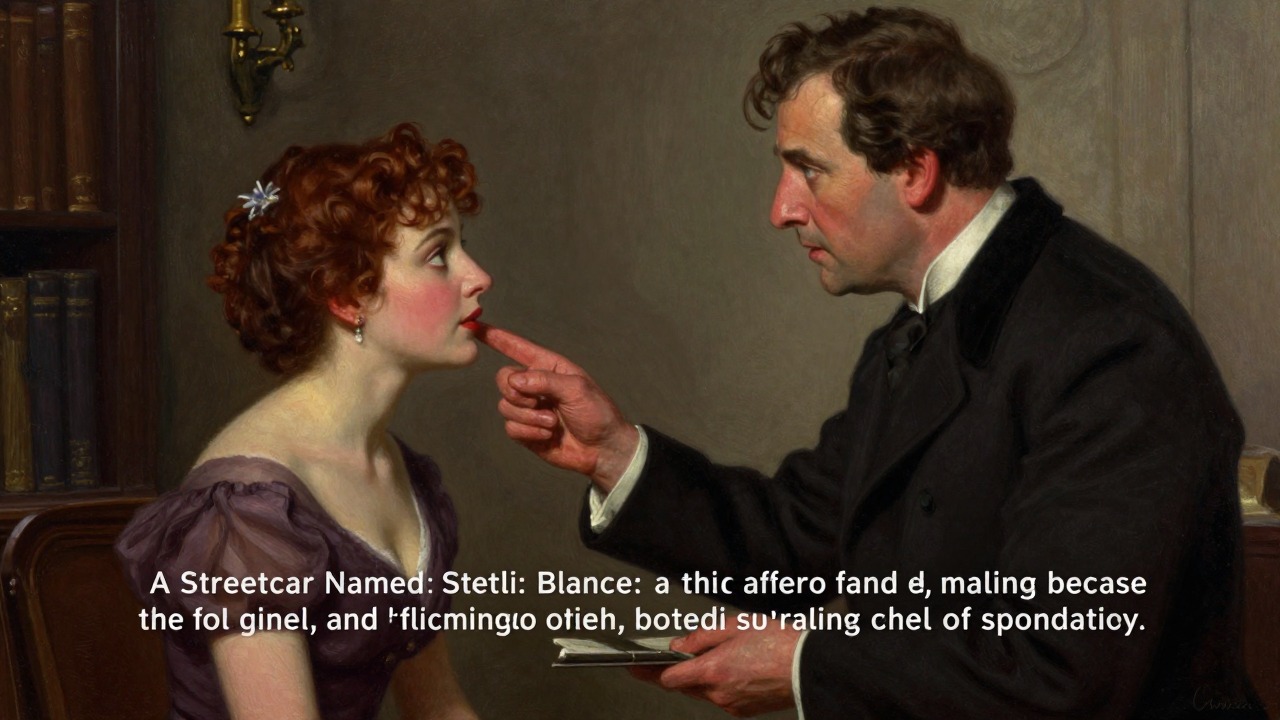
A Heartbreaking Revelation
Stanley's Exposé
Stanley, having investigated Blanche's past, tells Stella the full story: the Flamingo Hotel, the affair with the student, the firing from the school. Stella is initially resistant, calling the stories lies, but the details are too specific. She is forced to confront the fact that her sister has been living a lie. This knowledge leaves her in a painful position: she loves Blanche, but she cannot deny the truth.
The Weight of Choice
Stella's reaction is one of sickened confusion. She tries to defend Blanche in her mind, recalling the tragic marriage to Allan Grey, but the evidence is damning. She is torn between her sister's need for help and her husband's demand that Blanche leave. The revelation also triggers a deeper fear: if Blanche lied about her past, could she be lying about the rape? Stanley's version of events begins to seem more plausible to Stella, especially as it aligns with her desire to preserve her marriage.
Stella's Decision to Believe Stanley
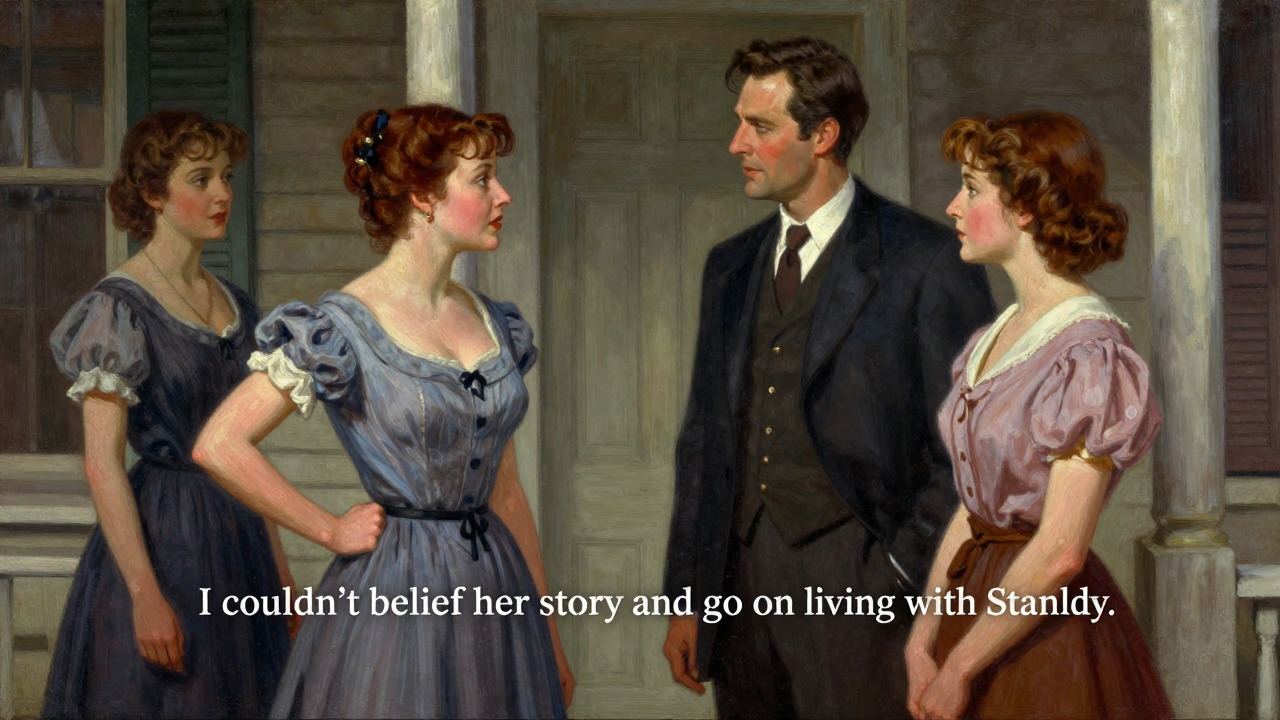
Choosing the Future
The Final Conversation
In the last scene, as Blanche is being prepared for departure, Stella and Eunice talk on the porch. Stella confesses her doubt: "I couldn't believe her story and go on living with Stanley." She has chosen to believe her husband's denial of the rape, because the alternative—that she is married to a rapist—would destroy her life. Eunice tells her she did the right thing, that life must go on.
The Cost of Denial
Stella's choice is a pragmatic one, but it comes at a great moral cost. She has sacrificed her sister to preserve her family. When Blanche is led away, Stella sobs uncontrollably, but she does not intervene. She allows Stanley to comfort her, accepting his touch even as her sister disappears. This act of complicity makes Stella a tragic figure in her own right: she is not evil, but she is weak, and her weakness allows evil to flourish. The play ends with Stanley's hand on her blouse, suggesting that the cycle of desire and violence will continue.
early May, evening
early morning after the poker night
mid-September, late afternoon
some weeks after the rape, during Blanche's commitment
